How energy efficiency boosts climate action
Progress in climate action can be achieved through improvements in energy efficiency. Careful use of valuable resources helps reduce greenhouse gas emissions and drive forward the energy transition. There’s another positive effect, too – good energy efficiency also lowers energy costs.
FAQs about energy efficiency and its benefits
What is meant by energy efficiency?
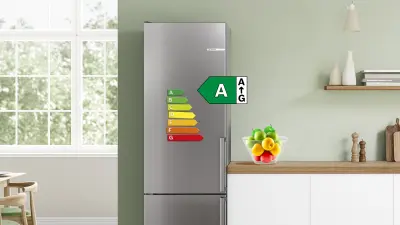
Energy efficiency is about the technical methods employed to achieve the desired result using as little energy as possible. For instance, LED lights produce the same brightness as other light sources but use a lot less electrical energy to do so. Modern refrigerators use just under half the electricity used by refrigerators manufactured around 20 years ago to deliver an identical cooling performance.
Why is energy efficiency important?
Today’s energy systems are still heavily dependent on fossil fuels such as oil or natural gas. Burning fossil fuels causes CO2 emissions, contributing to global warming. Using less energy thanks to improvements in energy efficiency therefore cuts greenhouse gas emissions. What’s more, even when using renewable energy, it’s important to aim for efficiency – reduced energy consumption means lower energy costs.
How can energy efficiency be achieved?
There’s more than one way to achieve energy efficiency. Lots of individual energy-saving measures and technologies can be combined, leading to large-scale reductions in energy consumption.
Energy efficiency – there are many ways to achieve the desired result
Reducing CO₂ emissions lays the ground for effective climate action. One way of reducing the volume of greenhouse gases in the atmosphere is to use energy more efficiently. The technology and technical innovations we have at our disposal today offer many levers for reducing energy consumption. Examples include electrifying the mobility sector, using more energy efficient fuels, increasing technical efficiency, and improving resource and material efficiency.