How decentralization boosts renewables in the energy sector
In nature, water from small springs is gathered into a mighty river. This same principle applies to decentralization in energy systems – electricity from lots of local production plants is combined to create a large overall volume. In contrast to nature’s springs, however, decentralized energy systems only feed the electricity they don’t use on site into the main grid. Consequently, local energy systems can be operated independently, flexibly, and sustainably, providing a reliable supply of electricity and also supporting the overall system to which they are connected.
FAQs about decentralization in energy systems
Today’s electrical energy is primarily produced in large power stations and transported over long distances to consumers. In many cases, however, a more efficient and more flexible solution is to produce and supply electricity – and sometimes heat, too – closer to where it is actually consumed. In a decentralized energy system, local and regional electricity networks made up of producers and consumers are therefore created to supplement large power plants. This concept really comes into its own when energy from renewable sources is factored into the equation.
Even small producers can contribute to a decentralized energy supply system, especially when this involves renewables such as solar energy or wind power. In many places, renewables are available on a localized basis. In decentralized energy systems, they can be used where they are most efficient, such as in windy areas or regions that get many hours of sunshine. Thanks to the short distances from the production site to the consumer, decentralized energy networks are a success from an economic perspective, and transmission losses are also reduced. What’s more, networks of decentralized energy systems are less susceptible to widespread disruption and outages. They also support the coupling of different sectors, such as electricity and district heating, offer an alternative to the expansion of extensive transmission networks, and can help end a reliance on imported fossil fuels. When a large proportion of renewables are integrated, decentralized energy networks also support efforts to combat climate change and shrink carbon footprints.
To help meet global climate targets, fossil fuels are being phased out in many areas of everyday life in favor of electrification. One example is electromobility. The official term for this is decarbonization.This concept relies on electricity being available, but conventional grid expansion is reaching its limits, with little progress currently being made. According to a study by the International Energy Agency (IEA), two million kilometers of new power transmission and distribution lines would need to be built each year up to 2030 in order to meet the global demand.* In terms of metal, approximately 260 million metric tons of copper alone would be needed by 2050 to expand and modernize the line network.** By way of comparison, the global production of copper is currently at around 22 million metric tons per year.
If electricity production and energy distribution are decentralized, there will be a much lower need for high-voltage, long-distance transmission lines. What’s more, innovative technologies, such as digitalization concepts or solutions that use hydrogen as a storage medium, can be tested and validated in smaller, decentralized networks. These technologies can then be scaled up considerably in a subsequent development stage.
* IEA: Net Zero Roadmap: A Global Pathway to Keep the 1.5 °C Goal in Reach; Paris, 2023
** IEA: Electricity Grids and Secure Energy Transitions; Paris, 2023
Setting up decentralized energy networks calls for initial investment from the private sector, energy cooperatives, or municipalities. Equally, however, a great deal of investment is needed to expand conventional energy infrastructure, such as high-voltage lines, in order to meet the growing demand for energy.
As the proportion of renewables in the energy system increases, so too does the challenge of managing the electricity production fluctuations caused by the time of day, the season, and changing weather conditions. In addition to electricity production systems and intelligent electricity networks, storage technologies are therefore vital for decentralized energy supplies. In this context, a very promising solution is to establish a hydrogen infrastructure, which uses electrolysis to convert temporary surpluses of electricity into hydrogen and then makes the stored energy available for various technologies and applications.
Hydrogen – maintaining balance in a decentralized energy system
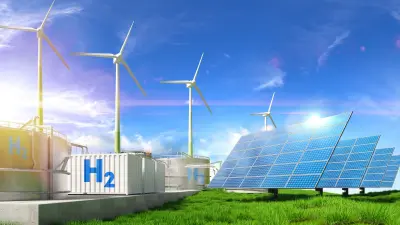
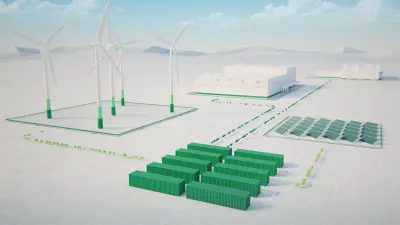
Photovoltaic systems, wind farms, and hydroelectric power stations produce energy in decentralized energy systems in a sustainable, environmentally friendly way without any greenhouse gas emissions. Hydrogen is the perfect medium for managing fluctuations in the energy supplied by these systems.
Digitalization and microgrids – the links in decentralized systems
On a large scale, networks comprising high numbers of energy producers and energy consumers can only be managed if powerful technology controls the supply and demand intelligently and automatically. Achieving that requires digitalization and the construction of microgrids.
Digitalization
Digitalization will fundamentally change the energy systems of the future. Energy producers, energy consumers, and transmission infrastructure will all interact in a digitally networked way. Given the complexity of these decentralized, but interconnected, systems, it would probably be impossible to control them manually.
Instead, what is needed are intelligent, fast, and highly precise distribution systems that analyze energy flows and data flows independently and coordinate energy production and consumption automatically. All this will be made possible by the Artificial Intelligence of Things.
Microgrids
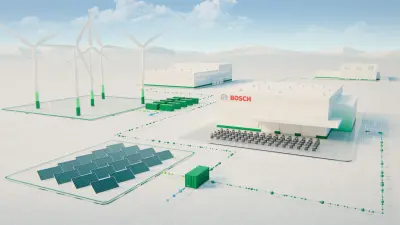
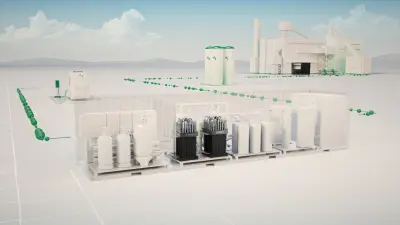
A microgrid is a small, localized energy system comprising energy production and storage facilities as well as a distribution network and consumers. In addition to electricity production, the self-contained nature of a microgrid means that heating can also be integrated (sector coupling).
As part of this cross-sector approach, electromobility can also be integrated into a microgrid. When there is a surplus of electricity, electric vehicles can serve as battery storage devices. Similarly, when electricity is needed in the grid, these vehicles can feed back energy stored in their batteries. Microgrids can also change the role of households. While households today are still primarily electricity consumers, they will be prosumers in the future – in other words, both producers and consumers of electricity.